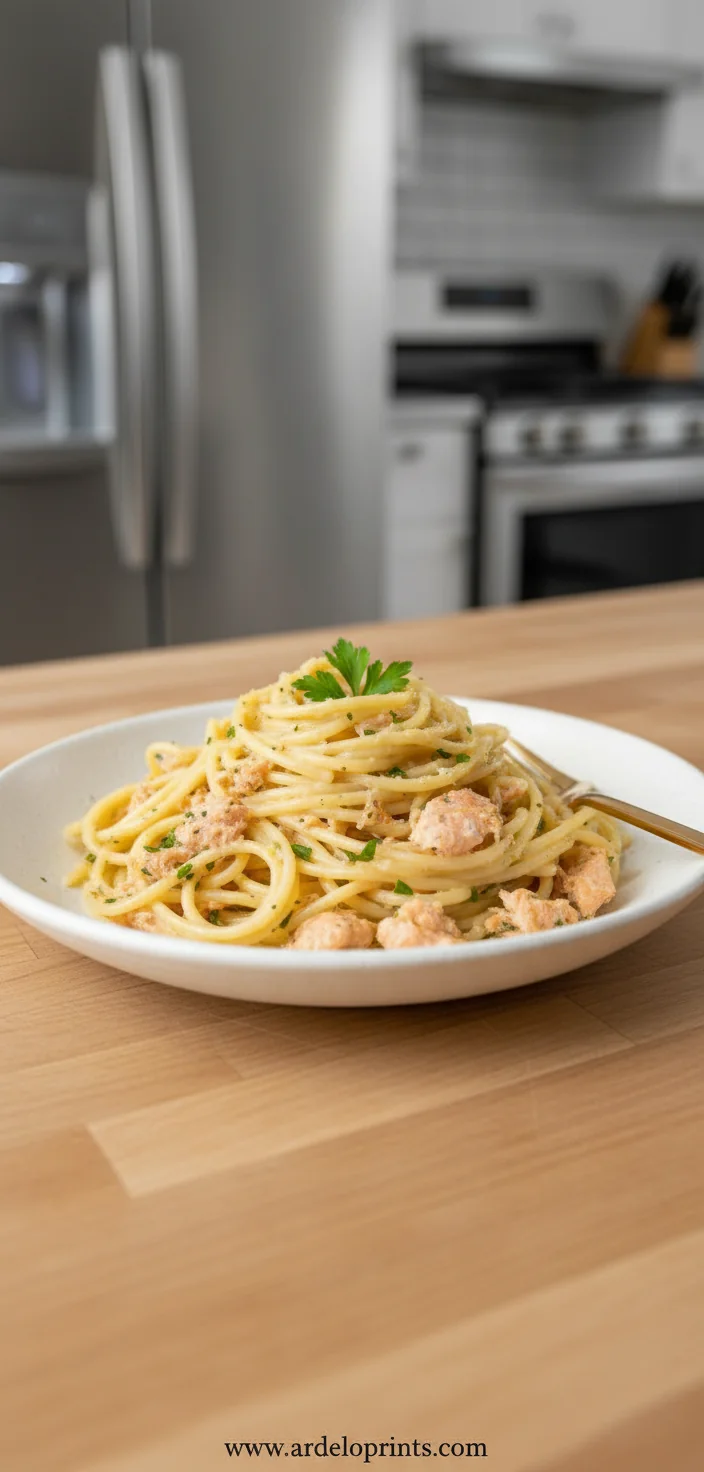
Canned salmon pasta traces its roots to post‑war kitchens where families needed nutrition fast and affordable. By combining preserved fish with pantry staples, households could create a balanced, protein‑rich dish without sacrificing flavor. This approach spread across Europe and North America, becoming a reliable staple for busy households seeking comfort in a bowl.
Why You'll Love It
-
- Ready in under 30 minutes, perfect for busy days
-
- Uses pantry‑ready canned salmon, no fresh fish needed
-
- Creamy, lemon‑bright sauce that coats every strand
-
- Minimal cleanup, just one pot and a skillet
"The pasta was so simple yet tasted like I’d spent hours in the kitchen!"
Essential Ingredient Guide
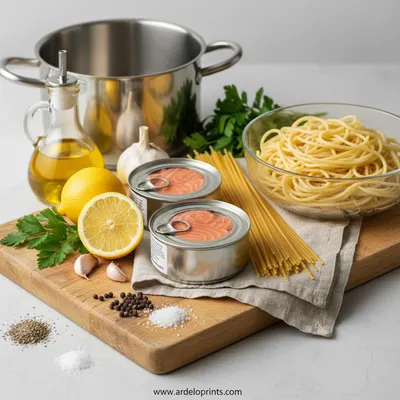
- Canned salmon: Look for wild‑caught, packed in water; drain well and flake gently.
- Spaghetti or linguine: Choose a sturdy shape that holds the sauce; al dente texture is key.
- Olive oil: A good extra‑virgin oil adds fruitiness and helps sauté aromatics.
- Lemon zest and juice: Provides brightness that lifts the richness of the salmon.
- Garlic: Thinly sliced; it infuses the oil with a subtle warmth.
- Fresh parsley: Chopped at the end for a burst of color and herbaceous finish.
 International_Cuisine
Spicy Shrimp Sushi Stacks
A fresh, vibrant bite combining seasoned shrimp, rice, and crisp toppings.

Complete Cooking Process
-
Ingredient Readiness:
Drain and flake the canned salmon, zest the lemon, and set all measured items within arm’s reach.
-
Flavor Development:
Sauté garlic in olive oil until fragrant, then swirl in lemon juice and zest to create a fragrant base.
-
Texture Control:
Cook pasta al dente, reserve a cup of pasta water, and toss with salmon to keep the flakes tender.
-
Finishing Touches:
Stir in parsley, a drizzle of extra‑virgin oil, and adjust seasoning with salt and pepper.
-
Serving Timing:
Plate the pasta hot, garnish with a little more zest, and serve immediately for the best texture.
-
Reserve pasta water; it helps bind the sauce.
-
Add lemon zest at the end to preserve its fresh aroma.
-
Gently fold salmon to keep the flakes from breaking apart.
-
Taste and adjust salt after adding the salmon, as it can be salty.
Pro Tips
Well, those little tweaks can turn a simple bowl into something that feels a bit special. I remember once, oops, I added too much lemon and had to balance it with a pinch of sugar—yeah, that was a learning moment. So keep a spoon of sugar handy, just in case, and you’ll end up with a perfectly balanced dish.
The essence of the dish:
It’s the marriage of flaky salmon, bright lemon, and silky pasta that creates a comforting, slightly tangy bite—perfect for a midday pause.
A fun fact or historical angle:
During the 1950s, canned fish became a staple in American households, offering a reliable protein source when fresh fish was scarce.
Flavor or sensory focus:
You’ll notice the gentle nuttiness of olive oil, the subtle heat of garlic, and the uplifting citrus that lifts the whole plate.
You Must Know
-
Don’t over‑cook the salmon; it dries out fast.
-
Use the pasta water to achieve a glossy sauce.
-
Lemon zest adds aroma more than juice alone.
Frequently Asked Questions
→ Can I use a different pasta shape?
Yes, any sturdy pasta like penne or fusilli works; just keep the cooking time al dente.
→ Is fresh salmon a good substitute?
You can, but you’ll need to cook it first; the texture will be richer, and you may reduce the cooking time.
→ What if I don’t have lemon?
A splash of white wine vinegar or a bit of lime juice can provide similar brightness.
→ Can I add vegetables?
Absolutely—peas, spinach, or roasted cherry tomatoes add color and nutrition.
→ How long does it keep in the fridge?
Store in an airtight container for up to 2 days; reheat gently with a splash of broth.
→ Is this recipe gluten‑free?
Swap regular pasta for a gluten‑free variety and you’re all set.
Nutrition Facts
per serving
420
Calories
28g
Protein
55g
Carbs
14g
Fat
Taste Profile
Bright, savory, with a gentle citrus lift
Ingredient Substitutions
Don't have an ingredient? Try these alternatives
Adjust cooking time slightly if using shrimp; they cook quickly.
Provides a cheesy flavor while keeping it dairy‑free.
Recipe Variations
Try these delicious twists on the original
Spicy Version
Add a pinch of red pepper flakes and a drizzle of sriracha for a gentle kick.
Mediterranean Style
Stir in chopped olives, sun‑dried tomatoes, and crumble feta for a briny twist.
Common Mistakes to Avoid
Learn from others' mistakes for perfect results
- Over‑cooking garlic leading to bitterness.
- Adding too much lemon juice which can overpower the dish.
- Not reserving pasta water, resulting in a dry sauce.
Meal Prep & Storage
Make Ahead Tips
You can drain and flake the salmon up to 24 hours ahead; keep it refrigerated and add it to the hot pasta when ready.
Leftover Ideas
Reheat gently in a skillet with a splash of broth or water, stirring to restore moisture.
Perfect Pairings
Serve this with...
Cooking Timeline
Bring water to boil, prepare lemon zest and juice, slice garlic.
Cook pasta al dente, reserve cooking water, drain.
Sauté garlic in olive oil until fragrant.
Stir in lemon zest, juice, and flaked salmon; warm gently.
Combine pasta with salmon mixture, adjust sauce with pasta water, season, garnish and serve.

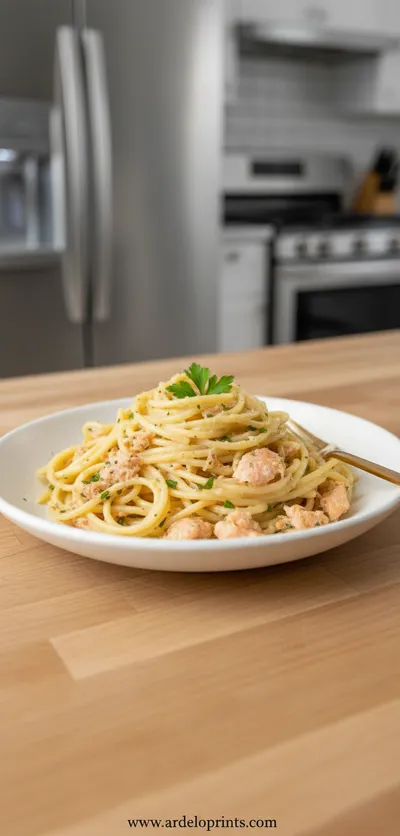
Canned Salmon Pasta
A comforting, quick‑cook canned salmon pasta that brings together tender noodles, flaky salmon and a hint of lemon for a hearty lunch or dinner that feels like a warm kitchen hug.
Timing
Prep Time
10 Minutes
Cook Time
20 Minutes
Total Time
30 Minutes
Recipe Details
Ingredients
Main Ingredients
-
01
1 (13‑oz) can salmon, drained and flaked
-
02
12 oz spaghetti or linguine
-
03
2 tbsp extra‑virgin olive oil
-
04
2 cloves garlic, thinly sliced
-
05
Zest of 1 lemon
-
06
2 tbsp fresh lemon juice
-
07
¼ cup chopped fresh parsley
-
08
Salt and freshly ground black pepper to taste
Optional Add‑ins
-
01
¼ cup grated Parmesan cheese
-
02
½ cup frozen peas, thawed
Instructions
Bring a large pot of salted water to a boil; cook the spaghetti until al dente, then reserve 1 cup of cooking water and drain.
While the pasta cooks, heat olive oil in a large skillet over medium heat. Add the sliced garlic and sauté until fragrant, about 1 minute—watch it so it doesn’t brown.
Stir in the lemon zest and juice, then gently fold in the flaked salmon, letting it warm through for 2‑3 minutes.
Add the cooked spaghetti to the skillet, toss with the salmon mixture, and drizzle in reserved pasta water a little at a time until the sauce coats the noodles lightly.
Season with salt and pepper, sprinkle with parsley (and Parmesan if using), give a final toss, and serve immediately.
Notes & Tips
-
1
If the sauce seems dry, add more pasta water gradually.
-
2
Taste for salt after adding the canned salmon, as it can be salty on its own.
-
3
A pinch of red pepper flakes adds a subtle heat without overpowering the lemon.

Tools You'll Need
-
Large pot
-
Colander
-
Large skillet
-
Wooden spoon
-
Zester or microplane
-
Measuring spoons
Must-Know Tips
-
Don’t over‑cook garlic; it becomes bitter.
-
Reserve pasta water early; it’s essential for a glossy sauce.
-
Flake salmon gently to keep larger pieces for texture.
Professional Secrets
-
Use room‑temperature salmon for even warming.
-
Add lemon zest at the end to preserve volatile oils.
-
Finish with a drizzle of high‑quality olive oil for richness.

Recipe by
Noah Bennett“I believe lunch should never be boring — quick, colorful, and satisfying meals to power through your day!” 🌯🥗
Get Delicious Recipes Weekly
Join 25,000+ home cooks getting our best recipes straight to their inbox.
Free forever • No spam • Unsubscribe anytime