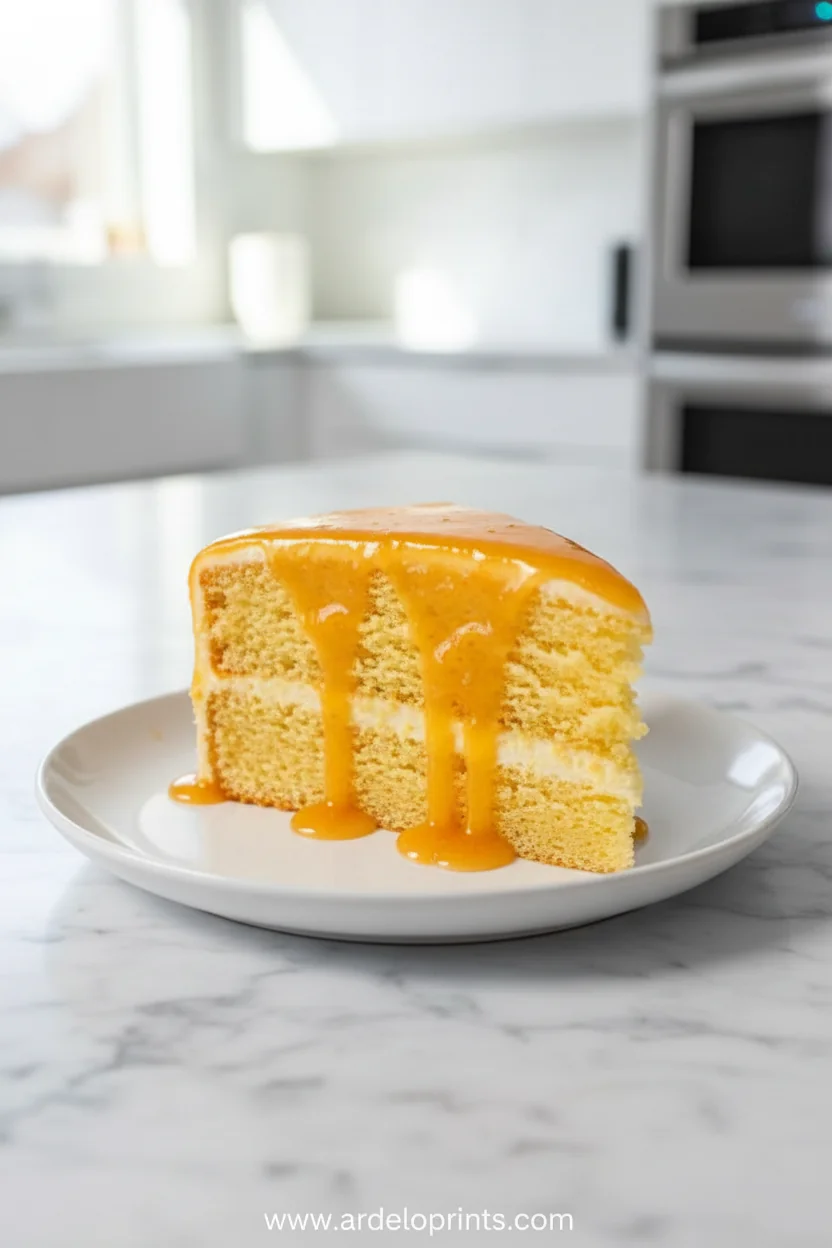
The origin of orange cake dates back to the early 1900s when citrus became widely available in Europe, inspiring bakers to experiment with bright flavors. This tradition traveled across oceans, becoming a beloved staple in many homes. orange cake remains a testament to simple ingredients creating enduring delight.
Why You'll Love It
-
- The texture stays soft for days
-
- Bright citrus flavor without being overpowering
-
- Easy ingredients you likely already have
-
- Perfect for tea time or celebrations
"The cake is so moist it practically melts in your mouth—pure sunshine!"
Essential Ingredient Guide
- Fresh oranges: Choose firm, aromatic oranges; zest adds essential fragrance and flavor.
- All‑purpose flour: Provides structure; sift to avoid clumps for a lighter crumb.
- Buttermilk: Adds tenderness and a subtle tang that balances the sweetness.
- Ground cinnamon: A pinch deepens the warm spice profile without overwhelming the orange.
- Lemon juice: A touch of acid brightens the citrus notes and helps the cake rise.
- Honey: Offers gentle sweetness and helps retain moisture.
 Desserts
Cinnamon Roll Cake Recipe
Fluffy cinnamon roll cake with caramelized swirl, ideal for breakfast or snack.
Complete Cooking Process
-
Ingredient Readiness:
Zest and juice the oranges, sift the flour, and bring butter and buttermilk to room temperature.
-
Flavor Development:
Combine zest, juice, and honey to let the citrus oils infuse the sweetener.
-
Texture Control:
Fold dry ingredients gently into the wet mix to keep the batter airy.
-
Finishing Touches:
Finish with a light glaze of orange juice and powdered sugar for a gentle shine.
-
Serving Timing:
Allow the cake to cool completely before slicing; the flavors settle beautifully.
-
Grate zest directly over the bowl to capture essential oils.
-
Do not overmix after adding flour; stop as soon as combined.
-
Bake on the middle rack for even heat distribution.
-
Store in a sealed container with a slice of orange to keep moisture.
Pro Tips
Well, those little tweaks make a world of difference. I often find that a cake feels like a quiet hug when it’s been cared for just right. So, take a breath, enjoy the process, and let the aroma guide you. It’s okay if things aren’t perfect; the cake will still be delicious.
 Desserts
Easy Ice Cream Sandwich Cake
Cool, creamy ice cream sandwich cake that's simple, fun, and perfect for any sweet craving.
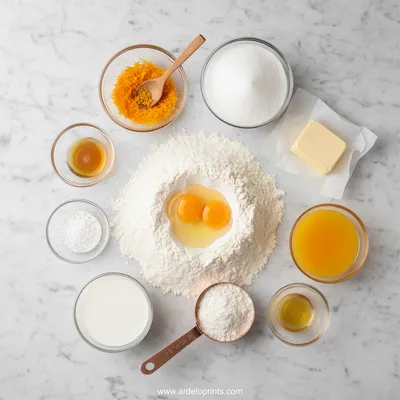
The essence of the dish:
A gentle crumb that holds the bright perfume of orange zest, sweetened just enough to let the fruit sing, and softened by buttery richness.
A fun fact or historical angle:
During the 1930s, orange marmalade was a pantry staple, and bakers began adding the zest to cakes, creating what we now cherish as the classic orange cake.
Flavor or sensory focus:
First you’ll notice the fragrant citrus lifted by a whisper of cinnamon, then the soft, buttery melt that lingers on the palate.
You Must Know
-
Zest before juicing to capture oils
-
Use room‑temperature butter for a smooth batter
-
Don’t open the oven early; the rise depends on steady heat
Frequently Asked Questions
→ Can I use frozen orange zest?
Yes, thaw it first and pat dry; it will still provide aromatic oils.
→ What if I don’t have buttermilk?
Mix 1 cup milk with 1 tbsp lemon juice or vinegar and let sit 5 minutes.
→ How long does the cake stay moist?
Stored properly, it stays tender for up to four days.
→ Can I add a glaze?
A simple glaze of powdered sugar mixed with fresh orange juice works beautifully.
→ Is this recipe suitable for vegans?
Swap butter with plant‑based margarine and use almond milk plus lemon for the buttermilk effect.
→ What pairs well with this cake?
A cup of tea, lightly brewed coffee, or a glass of sparkling water with a lemon twist.
Nutrition Facts
per serving
320
Calories
5g
Protein
48g
Carbs
12g
Fat
Taste Profile
Bright, citrus‑forward sweetness with buttery depth
Ingredient Substitutions
Don't have an ingredient? Try these alternatives
Margarine works well; coconut oil adds a faint tropical note.
Maple syrup gives a deeper, caramel‑like sweetness.
Recipe Variations
Try these delicious twists on the original
Spicy Version
Add ½ tsp ground ginger and a pinch of cayenne for a subtle warm kick.
Mediterranean Style
Stir in chopped pistachios and a drizzle of honey before serving.
Common Mistakes to Avoid
Learn from others' mistakes for perfect results
- Overmixing the batter, which can make the cake dense.
- Opening the oven too early, causing the cake to sink.
- Using bottled orange juice instead of fresh, losing aroma.
Meal Prep & Storage
Make Ahead Tips
The batter can be prepared up to 2 hours ahead; keep chilled and bring to room temperature before baking.
Leftover Ideas
Reheat gently in a microwave for 10 seconds or toast a slice lightly for added crunch.
Perfect Pairings
Serve this with...
Cooking Timeline
Gather and prep all ingredients; zest and juice oranges.
Cream butter and honey, then add eggs.
Combine wet and dry ingredients, fold gently.
Bake, cool, and glaze the cake.
Slice and serve with tea.
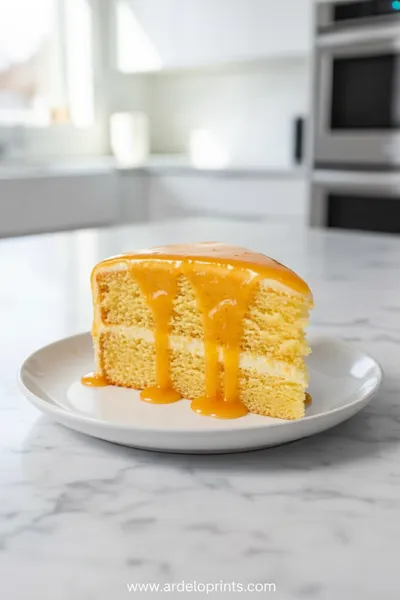
Moist Orange Cake
A tender, citrus‑kissed cake that stays wonderfully moist from the first bite to the last crumb, perfect for any time you crave a sweet, bright treat.
Timing
Prep Time
20 Minutes
Cook Time
35 Minutes
Total Time
55 Minutes
Recipe Details
Ingredients
Cake
-
01
2 large oranges (zest and juice)
-
02
1½ cups all‑purpose flour
-
03
1 tsp baking powder
-
04
½ tsp baking soda
-
05
¼ tsp salt
-
06
½ cup unsalted butter, softened
-
07
¾ cup honey
-
08
2 large eggs
-
09
½ cup buttermilk
-
10
1 tsp ground cinnamon
Glaze
-
01
¼ cup powdered sugar
-
02
2 tbsp fresh orange juice
Instructions
Preheat the oven to 350°F (175°C). Grease a 9‑inch round cake pan and line the bottom with parchment.
Zest the oranges, then juice them. In a bowl, whisk together flour, baking powder, baking soda, salt, and cinnamon; set aside.
In a large mixing bowl, cream the softened butter with honey until light and fluffy; add eggs one at a time, beating well.
Stir in the orange zest and juice, then add the butter‑milk mixture. Gently fold in the dry ingredients until just combined.
Pour the batter into the prepared pan, smooth the top, and bake for 30–35 minutes, or until a toothpick comes out clean.
Allow the cake to cool in the pan for 10 minutes, then turn onto a wire rack. While still warm, whisk together glaze ingredients and drizzle over the top.
Notes & Tips
-
1
If you prefer a deeper flavor, toast the orange zest lightly before adding.
-
2
The cake stays extra moist when stored with a slice of orange in the container.
-
3
For a festive touch, sprinkle a few candied orange peel over the glaze.
Tools You'll Need
-
9‑inch round cake pan
-
Mixing bowls
-
Electric mixer
-
Zester or microplane
-
Wire rack
-
Measuring cups and spoons
Must-Know Tips
-
Don't overmix the batter, it can make the cake dense.
-
Use freshly squeezed orange juice for the brightest flavor.
-
Let the cake rest before glazing to avoid a soggy surface.
Professional Secrets
-
Room‑temperature butter emulsifies better, giving a lighter crumb.
-
Baking soda reacts with citrus acid to create a tender texture.
-
Glazing while warm lets the sugar set with a subtle shine.

Recipe by
Mason Cole“Sweet cravings are my specialty! I turn sugar, chocolate, and imagination into pure dessert magic.” 🍰✨
Get Delicious Recipes Weekly
Join 25,000+ home cooks getting our best recipes straight to their inbox.
Free forever • No spam • Unsubscribe anytime